Why Microlocation and Architecture Must Be Considered Together
A prime location isn't enough on its own. True quality of living with long-term prospects only emerges when the micro-location and architecture are perfectly aligned.

Prestigious properties are rarely defined by a single factor. Neither a prime address alone nor an architecturally ambitious design on its own is enough to make a project truly compelling. It's only when the micro-location and architecture harmoniously align that the kind of quality emerges that is palpable in everyday life and can endure long-term.
This is particularly evident in Hamburg. In sought-after residential areas, it's not just about the name of a district, but about the immediate surroundings – sightlines, neighborhood, tranquility, access to green spaces, lighting conditions, and proportions. Architecture, in turn, must respond precisely to these conditions. It shouldn't just occupy the space; it should understand it. That's precisely the difference between a property that is merely correctly placed and one that truly flourishes in its location.

Micro-location is more than just a good address
When location is discussed, the name of the district often comes up first. Harvestehude, Rotherbaum, Eppendorf, or other sought-after Hamburg districts evoke a strong image. However, this broad classification isn't enough for actual living quality. What's crucial is the micro-location – the immediate surroundings of a property.
These include the width of a street, the quality of neighboring buildings, proximity to green spaces, access to water, the noise level, the lighting mood throughout the day, and the interplay of urbanity and retreat. Also relevant is how a house feels within the streetscape, whether a place appears open, refined, quiet, or lively.
Especially in the high-end segment, micro-location is often the distinguishing factor between good and excellent residential areas. Not every property in a renowned district automatically benefits equally from its quality. It's the immediate surroundings that truly determine how a location feels.
Architecture must respond to its location
Good architecture doesn't emerge in a vacuum. It gains quality when it responds to its surroundings. Therefore, scale, materiality, facade articulation, window formats, setbacks, outdoor spaces, and floor plan logic should always be considered in relation to the location.
A house in an established, green residential street demands a different language than a project in a more urban environment. Sometimes this means restraint, sometimes precision, sometimes an effortless elegance that doesn't rely on making an impression to be present. Architecture doesn't have to be loud to be sophisticated. Often, its strength lies precisely in its ability to blend in naturally while still exuding clear quality.
This is precisely what is crucial for high-quality new construction projects in Hamburg. Anyone planning or acquiring a high-quality condominium in Hamburg today expects not only good layouts and contemporary standards, but also an architectural concept that takes the unique characteristics of the location seriously.
Quality of living emerges where inside and outside align
The connection between micro-location and architecture becomes particularly clear when viewed from an everyday perspective. A good location isn't just about the address; it's about the daily experience. How does light enter the rooms? What views are created? How private does an outdoor area feel? How quiet is a bedroom really? How naturally does a floor plan combine openness and retreat?
This demonstrates how closely architecture and location are intertwined. A high-quality plot only fully unfolds its value when the design incorporates that quality. Large window areas, for example, are only truly compelling if they respond to attractive sightlines. A balcony or terrace gains quality when its orientation, privacy, and atmosphere are right. Floor plans also benefit when they consider the path of daylight, orientation, and the specific characteristics of the surroundings.
Residential quality is therefore never solely about the interior or exterior. It emerges from their interaction.
Lasting value requires more than just a good name
Considering micro-location and architecture together also makes sense from the perspective of long-term value retention. Properties remain attractive primarily where several qualities converge: a desirable environment, compelling design, a clear architectural statement, good functionality, and execution built for longevity.
A prominent location can attract attention. However, sustainable quality usually only emerges when the building itself lives up to this expectation. Conversely, even good architecture can only fully exploit a location's potential if the micro-location is viable.
For buyers of high-quality condominiums in Hamburg, this is a crucial point. Because the decision for a property is not just a matter of the moment. It is always also a decision about how well a property will still function in a few years, how coherent it feels, and how clearly its qualities remain discernible.
Why this connection is particularly important in Hamburg
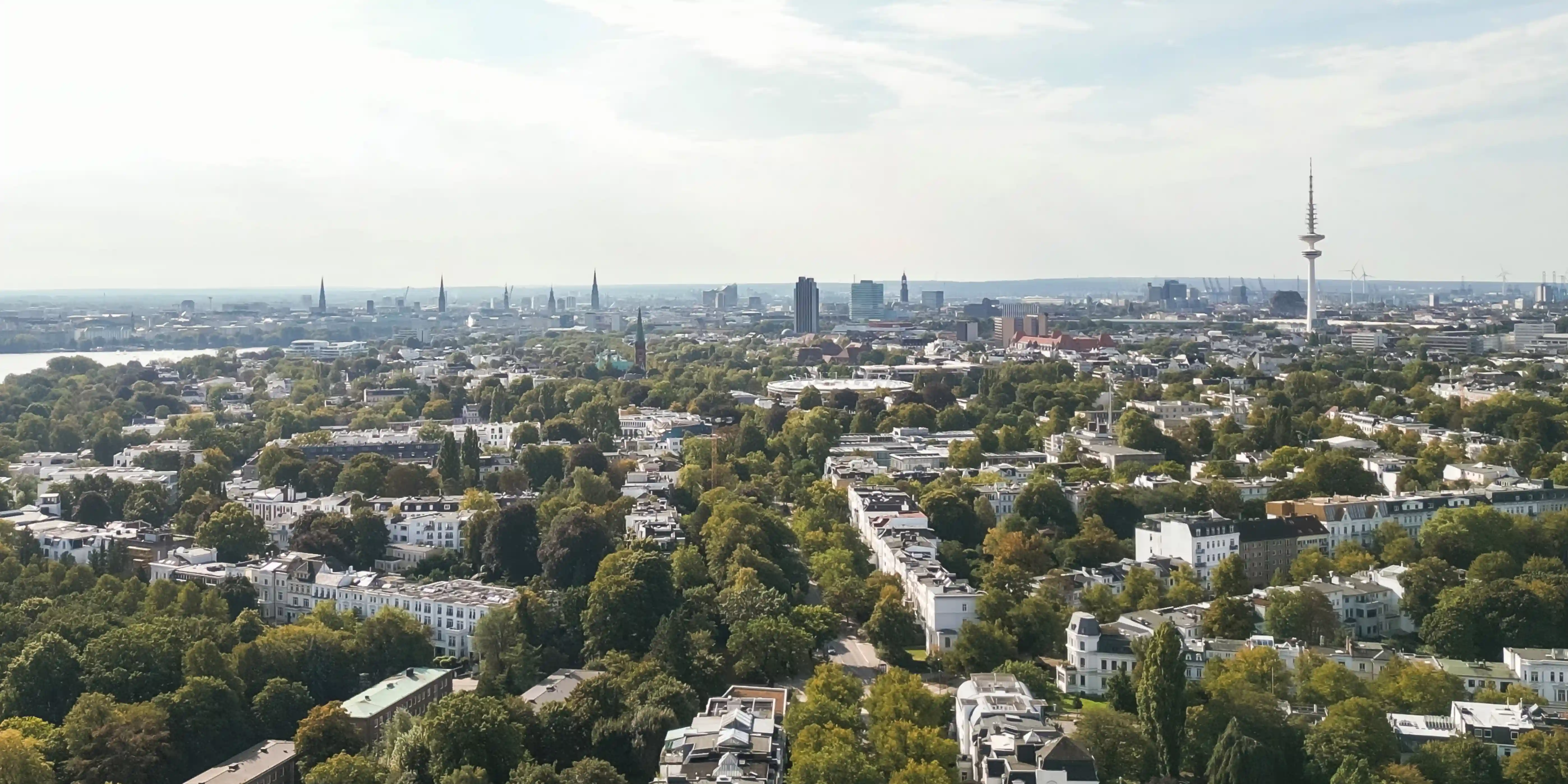
Hamburg thrives on its subtle distinctions. Between water, greenery, established urban structures, and Hanseatic restraint, residential areas emerge that demand a high degree of sensitivity. Especially in sought-after districts, it is therefore not enough to rely solely on the location. Architecture must work with the place, not against it.
This applies to scale as well as to material selection and atmosphere. In high-quality locations, projects that don't appear arbitrary but rather demonstrate a precise understanding of their surroundings are usually the most convincing. They don't imitate what already exists but translate it into a contemporary form. This is precisely where their quality lies.
For project developments in Hamburg, this means: The architectural design should never be conceived in isolation from the micro-location. The more nuanced the surroundings, the more precise the architectural response must be.
New construction projects succeed when they take the micro-location seriously
High-quality new construction projects particularly benefit from consistently incorporating the specific characteristics of their location into the planning. This starts with the placement of the building's volume, extends to the facade articulation, and doesn't stop at how interiors, outdoor spaces, and sightlines are designed.
A good new construction project in Hamburg is often recognizable by the fact that it doesn't appear interchangeable. It couldn't stand just anywhere because its proportions, materiality, and atmosphere respond precisely to its specific context. This represents not only architectural quality but also added value for buyers.
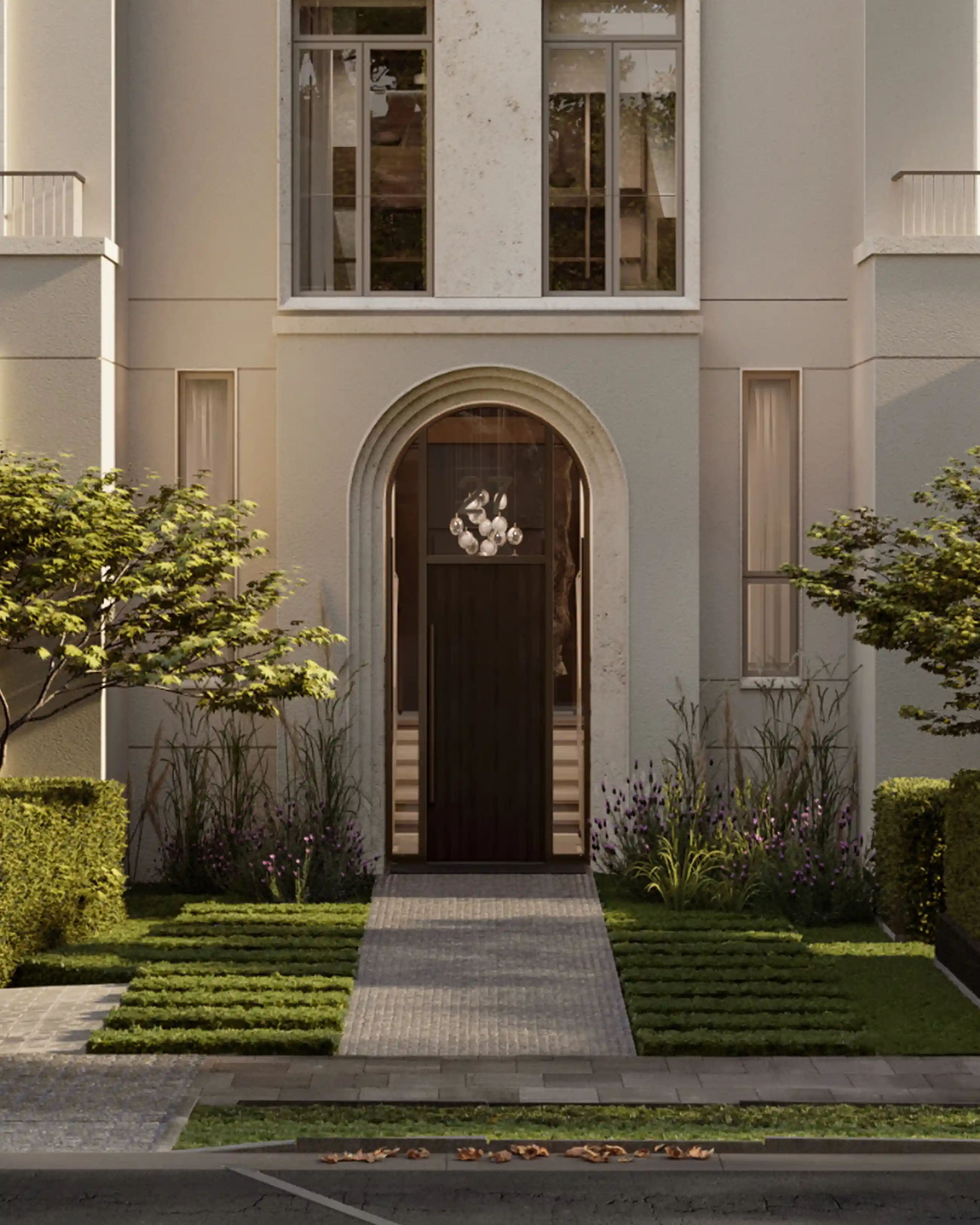
An example of this is Werk Hagedorn in Harvestehude. The project demonstrates how a new build becomes truly compelling when it doesn't just view its special location as an address, but rather develops it architecturally.
Who this combination is especially relevant for
The consideration of microlocation and architecture is especially important for buyers who don't view properties one-dimensionally. Those who only focus on square footage or a well-known address often overlook what truly determines a property's value.
Those who wish to live in a high-quality condominium directly benefit from the quality of this synergy. Daily life, tranquility, light, views, and a sense of home are created precisely where architecture perfectly complements the location.
Those who pay attention to execution, planning, and substance quickly realize that a good property is never defined by just one aspect. Especially in the high-end segment, the overall quality is crucial.
This combination is also relevant from an investment perspective. Properties that remain attractive long-term are usually those where location quality and architectural appeal work in tandem. This strengthens demand, perception, and lasting relevance.
Conclusion: The synergy is what truly makes a property compelling
Microlocation and architecture should never be considered separately. A good address alone is as insufficient as a creatively ambitious building without a connection to its surroundings. Only when both are harmoniously integrated does the kind of living quality emerge that supports daily life and can endure long-term.Gerade in Hamburg, where subtle differences in location, atmosphere, and urban landscape play a significant role, this combination is particularly valuable. High-quality properties therefore impress not only with their address or design, but with the precise interplay of both elements. This is precisely where a quality emerges that is not just visible, but palpable.


You might also be interested in these articles...

Selected news
Receive relevant and moderately dosed updates about Hamburg 13.